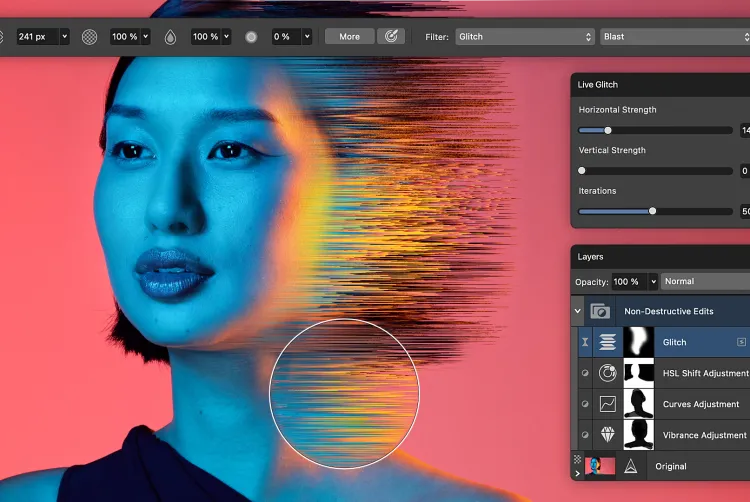
One of the biggest developments of 2025 was the relaunch of Affinity as a free professional design suite. Canva, having acquired Serif and its Affinity products, unified Affinity Designer, Photo, and Publisher into a single all-in-one app that is available at no cost to users worldwide. This move lowered the barrier to entry for powerful design tools comparable to legacy software and repositioned Affinity as a serious, accessible choice for creative work. [The Verge →]
This was not a minor pricing tweak. It was a structural shift in the economics of design tools. Designers gained access to high-end capabilities without payment while optional premium features can be monetized through related subscriptions. [AuthenType →]
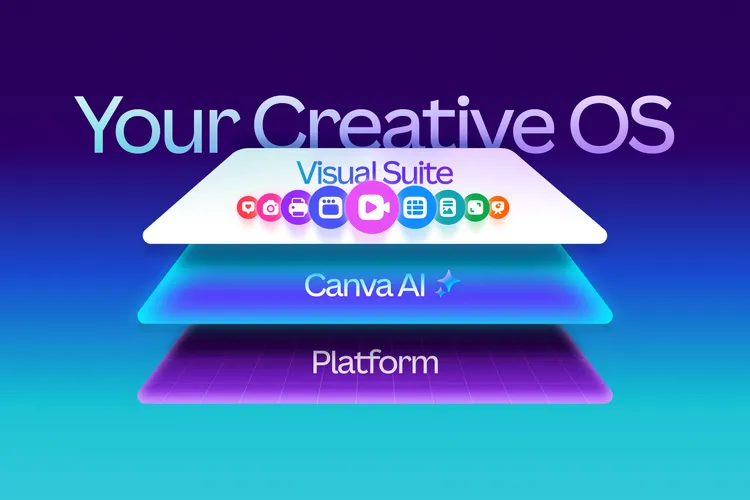
In 2025, major players continued to evolve beyond single-purpose tools into broad platforms that connect design, collaboration, and business workflows. For example, Canva announced a major overhaul branded as a Creative Operating System that integrates everything from design to video, marketing, and collaborative features. As part of this ecosystem, Affinity is offered for free with seamless transitions to broader creative and marketing workflows on the same platform. [Lifewire →]
This trend shows how design tools are increasingly presented as holistic creative environments rather than isolated applications. For designers, this signals a shift in how creative work and project ecosystems are structured.
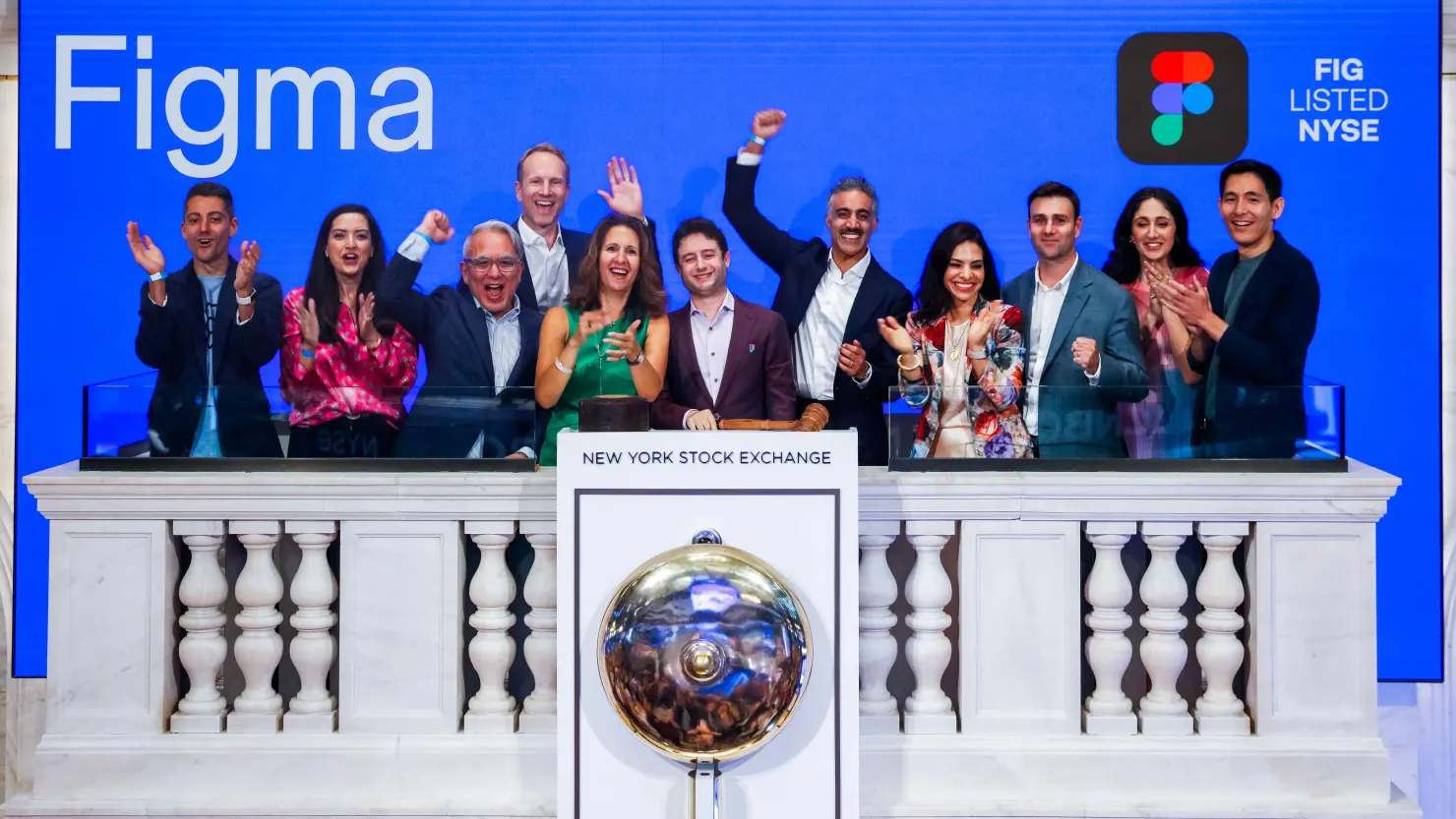
Another noteworthy development in 2025 was the public affirmation of different strategic paths among major design tool makers. Figma filed for an IPO after years of growth and expansion into new offerings, including greater support for branded marketing tools and AI-adjacent features. [The Verge →]
Figma’s move to go public underscores an industry where design collaboration and web-based workflows remain strategic priorities even as competition intensifies. The decision also reflects changing business models for design tools as platforms seek sustainable revenue and broader market participation.
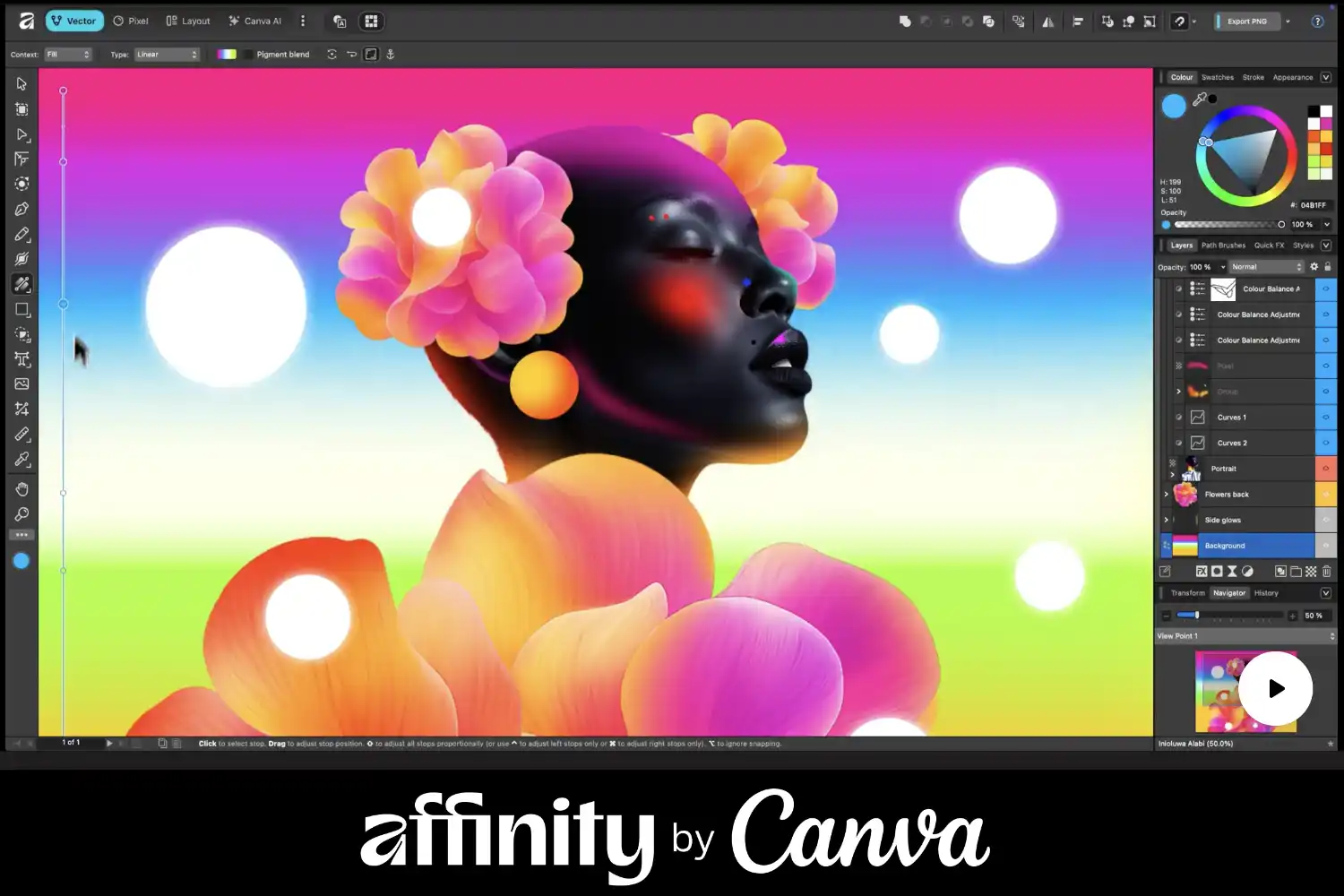
The transition of a professional suite like Affinity into a free app also triggered debate within the creative community. Some users expressed concerns about licensing changes, shifts away from perpetual licenses, and the closure of legacy resources like forums. These reactions show that changes in software distribution resonate deeply among designers who have long built workflows and creative identities around specific tools. [Reddit →]
This pushback is not just nostalgia. It highlights how tool ownership, community infrastructure, and continuity matter to creative professionals, particularly when longstanding products evolve or integrate into larger corporate ecosystems.

AI was an unavoidable talking point in 2025, not only as a feature in creative tools but as a subject of professional debate. Rather than being universally embraced, AI’s growing presence in workflows, whether incorporated into elevated tools or offered as optional premium features, sparked ongoing discussions among designers about ethics, control, originality, and the role of automation in creative work. While adoption varies and many studios choose not to use AI at all, the discussion itself marks a defining conversation of the year.
Creative professionals are not passively accepting technology. They are critically assessing where such tools fit into thoughtful practice. That tension has become part of the industry’s evolving identity.
2025 was not about new fonts or colours. It was about access, structure, and choice. It was the year high-end tools became freely accessible, platforms expanded into broader “creative operating systems,” business models shifted in public ways, and the community grappled with change. These signals matter not because they look pretty but because they shape what designers can do, what they pay for, and how they define value in their work.


